
Holiday baking season is here: pies for Thanksgiving on November 26, then cookies, rolls and cakes all the way to New Year’s. If there’s one small change that makes all of it more reliable, it’s this: weigh your dry ingredients instead of scooping them. A digital kitchen scale costs less than a nice pie dish, saves you from washing a stack of measuring cups, and makes Grandma’s recipe come out the same way every single time.
Here’s why weighing works, how to do it, and a cups-to-grams cheat sheet for the ingredients you’ll reach for most this season.
The short version
- A cup of all-purpose flour weighs 120 grams when it’s spooned in and leveled. Scooped straight from the bag, it packs down and can weigh noticeably more.
- Too much flour is the usual culprit behind dry cookies, dense cakes and pie dough that cracks when you roll it.
- Use the tare button. Set the bowl on the scale, press tare (or zero), and add each ingredient right into the bowl.
- Weigh the dry stuff, keep the spoons for small amounts. Teaspoons of baking soda, salt and spices are fine measured by volume.
- Write the grams into your recipe once, and you never have to convert it again.
Why a cup isn’t always a cup
Measuring cups measure space, not amount. Flour, brown sugar and cocoa all compress, so how much you get depends on how you fill the cup. Dip the cup into the flour bag and press, and you can end up with a lot more flour than the recipe’s author used. Spoon it in lightly and level it with a knife and you’ll get much closer, but it still varies from person to person.
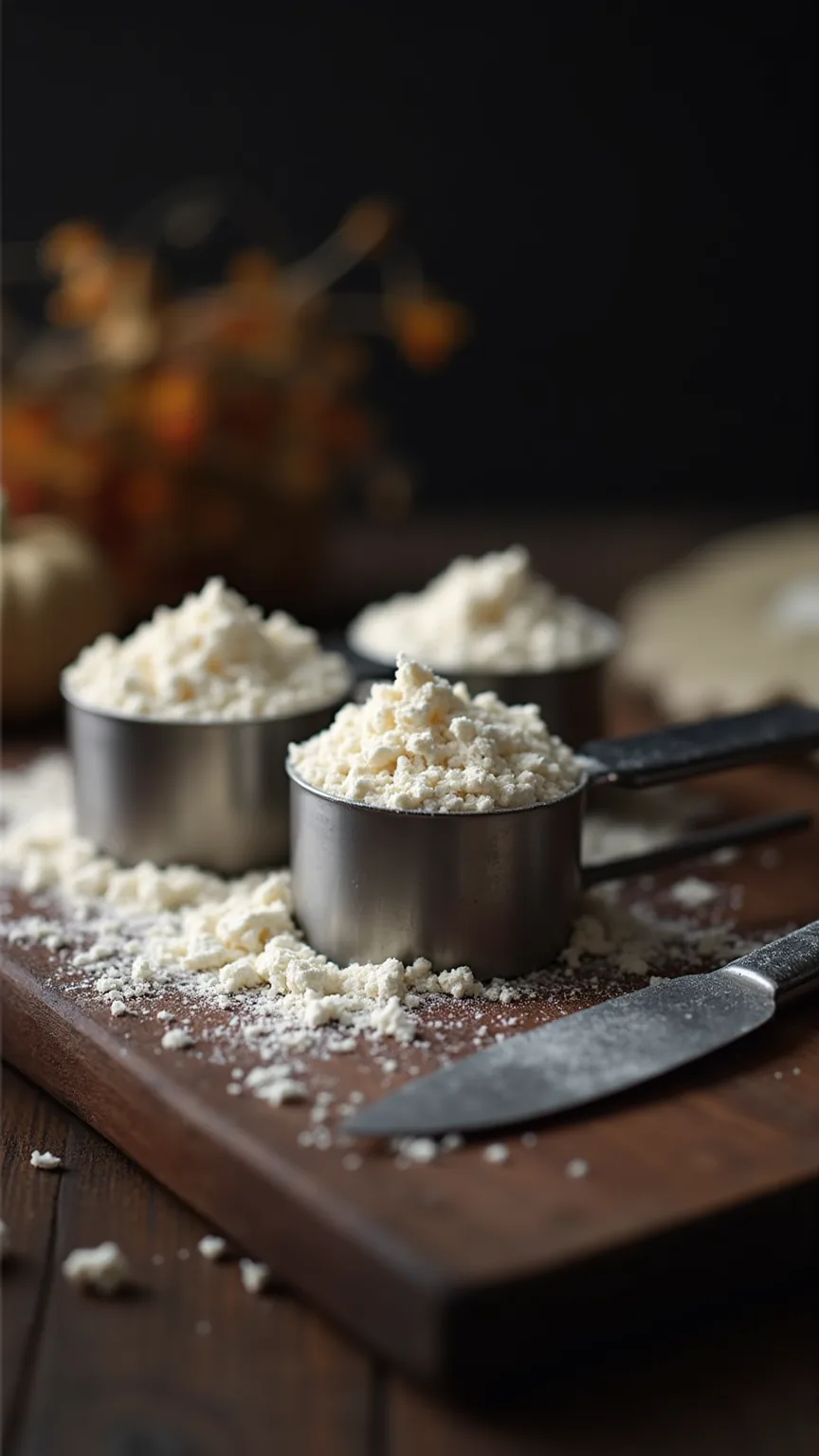
A scale doesn’t care how you fill the bowl. 120 grams of flour is 120 grams of flour, in your kitchen or your aunt’s. That’s why so many bakers, and most recipes outside the US, use weight.
How to bake by weight
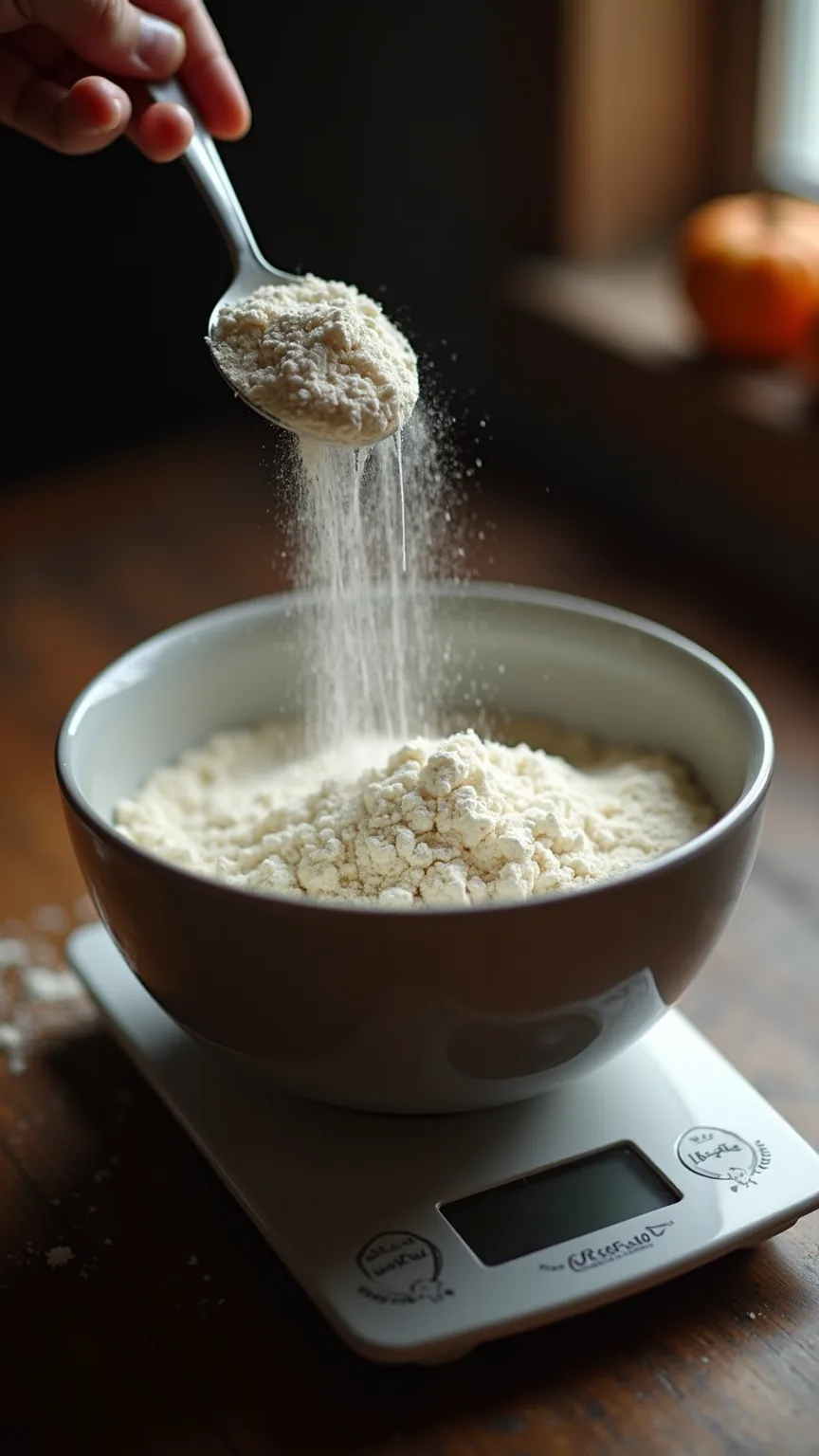
- Put your mixing bowl on the scale and press tare. The display goes back to zero, so you’re only weighing what you add.
- Add the first ingredient until you hit the number. Spoon flour in gently near the end so you don’t overshoot.
- Press tare again and add the next ingredient to the same bowl. Fewer measuring cups, fewer dishes.
- Switch the scale to grams. Grams are finer than ounces, so small amounts are easier to hit.
- Liquids can go on the scale too. Water, milk and cream weigh close to 227 grams per cup on common baking charts, so you can pour them right into the bowl.
Cups-to-grams cheat sheet for holiday baking
These weights follow the King Arthur Baking ingredient weight chart, a standard reference for American bakers. Different charts round a little differently, so if a recipe gives its own gram amounts, go with the recipe.
| Ingredient | Volume | Grams |
|---|---|---|
| All-purpose flour | 1 cup | 120 g |
| Bread flour | 1 cup | 120 g |
| Whole wheat flour | 1 cup | 113 g |
| Granulated sugar | 1 cup | 198 g |
| Brown sugar (packed) | 1 cup | 213 g |
| Confectioners’ sugar (unsifted) | 1 cup | 113 g |
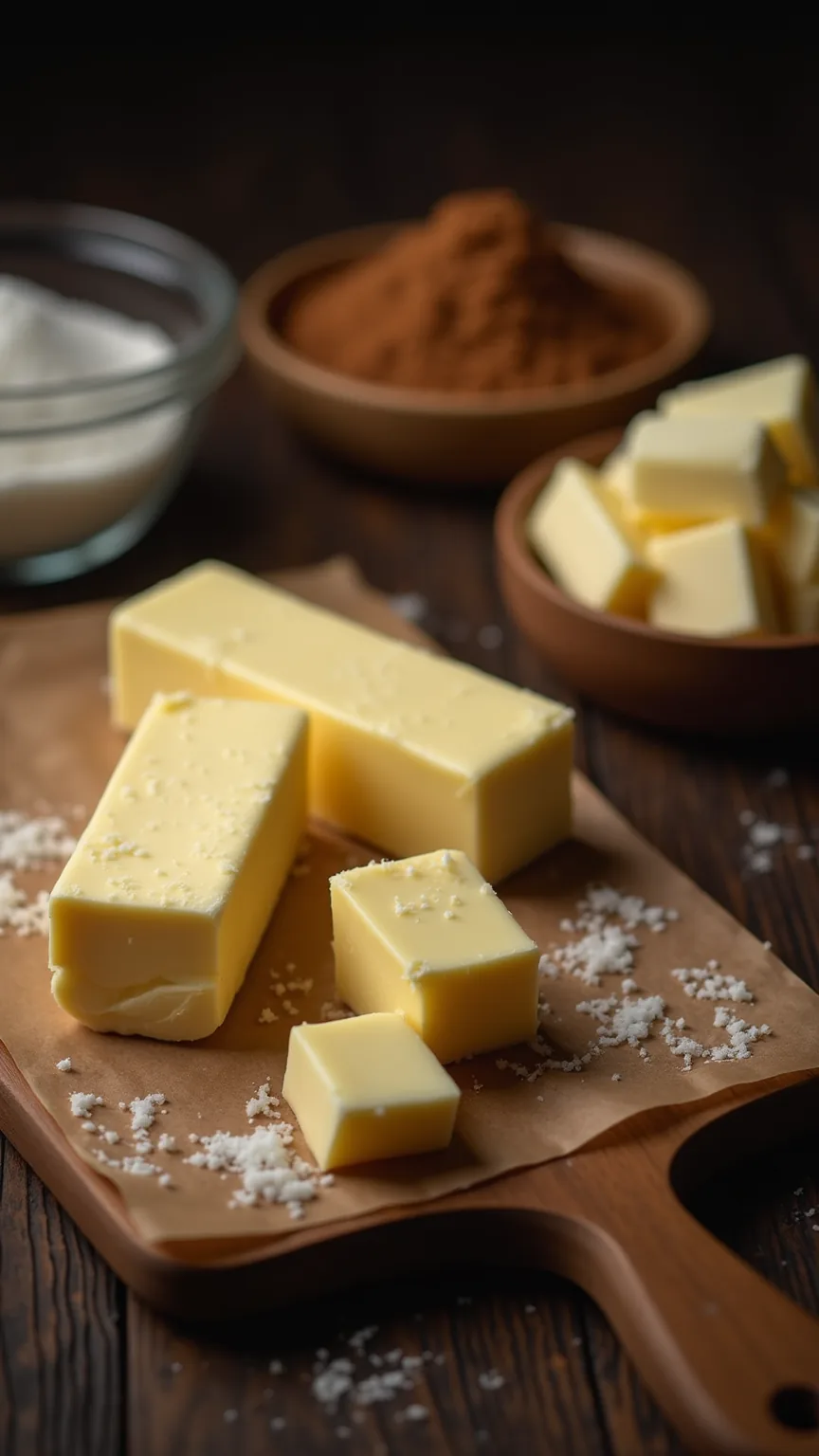
| Butter | 1/2 cup (1 stick, 8 tablespoons) | 113 g |
| Milk | 1 cup | 227 g |
| Heavy cream | 1 cup | 227 g |
| Pumpkin purée | 1 cup | 227 g |
| Maple syrup | 1/2 cup | 156 g |
| Honey | 1 tablespoon | 21 g |
| Old-fashioned or quick oats | 1 cup | 89 g |
| Pecans (diced) | 1/2 cup | 57 g |
| Chocolate chips | 1 cup | 170 g |
| Unsweetened cocoa | 1/2 cup | 42 g |
| Egg | 1 large | 50 g |
Small amounts: keep the measuring spoons
Your scale is great for flour and sugar, but for a half teaspoon of baking soda most home scales aren’t precise enough. Measure leaveners, spices and extracts with spoons, and level them off. One thing worth knowing about salt: different salts weigh very different amounts by the spoonful. On the King Arthur chart, a tablespoon of table salt is about 18 g, Morton’s kosher salt about 16 g, and Diamond Crystal kosher salt about 8 g. If a recipe says “kosher salt” and you’re using table salt, use less.
Converting a family recipe
Most handed-down recipes were written in cups. To convert one, measure it the way you normally would, then weigh each ingredient before it goes in the bowl and write the grams down. Or use the chart above as a starting point. Either way, once you have the grams, the recipe is locked in and comes out the same for everyone who makes it.
Keep the gram version of every family recipe
Once you’ve worked out the grams for the pie crust, the rolls and the holiday cookies, put them somewhere you won’t lose them. Keep the Sauce is the family recipe box app for iPhone, iPad and Android. Save your recipes with the exact amounts you use, scale them for a crowd and plan the week’s menu, so the family’s recipes are right where you need them all season.
Baking for Thanksgiving? Try our make-ahead pumpkin pie and make-ahead dinner rolls, and if you’re doubling a recipe, read how to scale a recipe.
Ingredient weights are from the King Arthur Baking ingredient weight chart.